


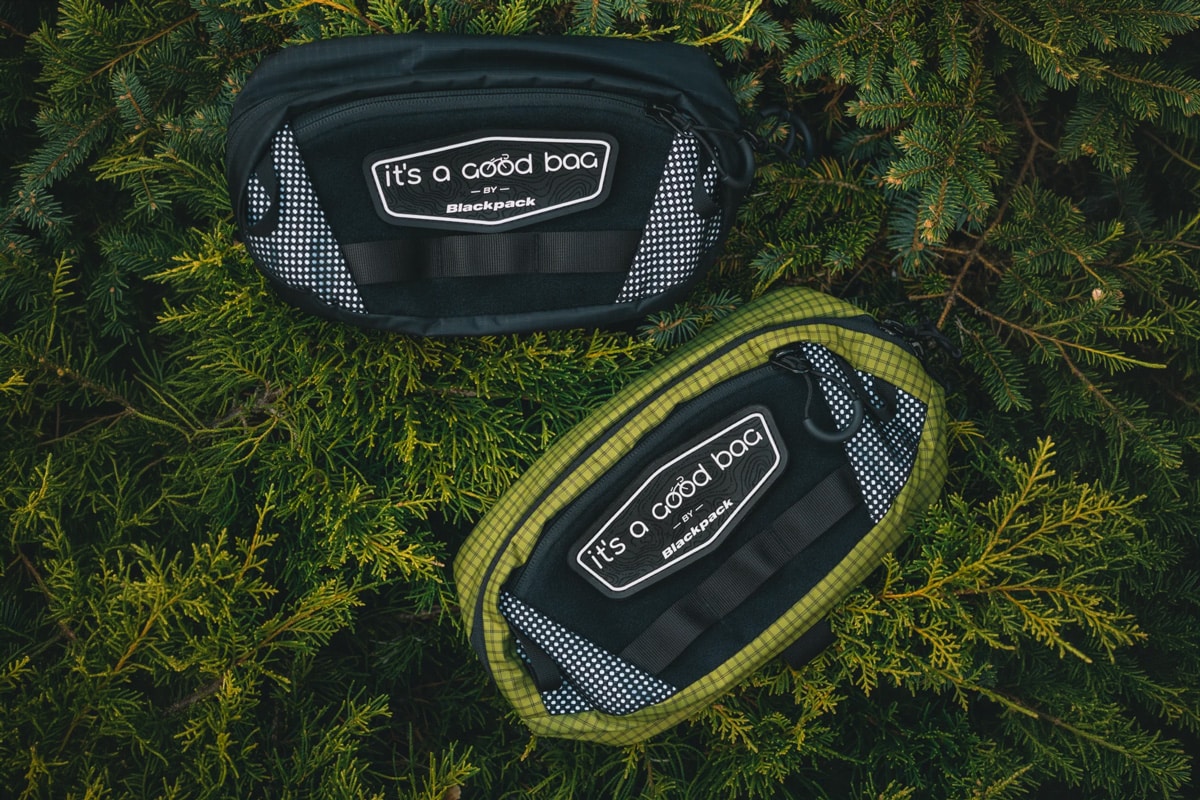
If you’ve compared bags before buying, you’ve definitely come across these words in descriptions—Cordura, X-Pac, UltraGrid. All three sound “premium,” all three drive up the price, and sellers rarely explain exactly what you’re paying extra for. The short answer: none of them is absolutely “better”—they are three different engineering solutions for different tasks. Cordura is about durability at contact points. X-Pac is about water resistance and a shape that doesn’t “sag.” UltraGrid is about minimal weight without a fundamental loss of strength. Blackpack uses all three, and in some models, even combines them in a single bag.
What is Cordura and Why It’s Still the Standard for Heavy-Duty Conditions
Cordura® isn’t the name of a fabric per se, but a brand technology for weaving nylon threads. It’s based on high-tenacity nylon 6,6 that undergoes air-jet texturing: this makes the fiber thicker and more durable at the same weight.
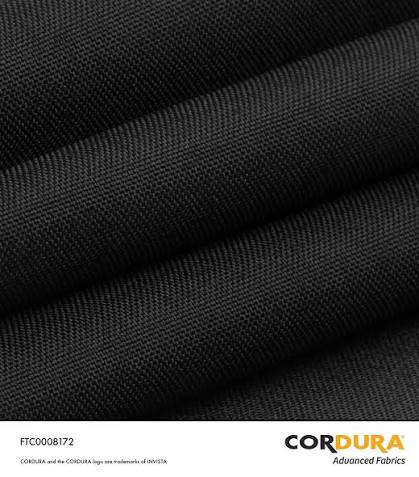
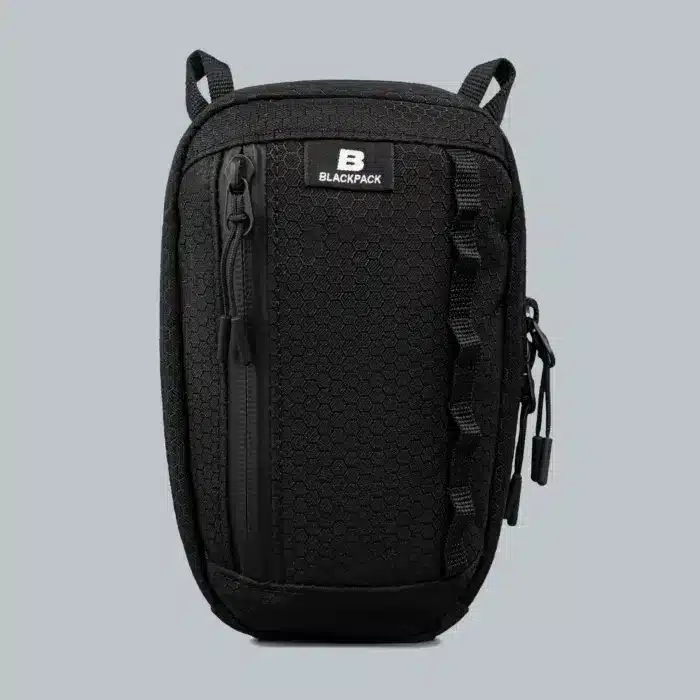
The main number to remember: Cordura is 2–3 times more abrasion-resistant than regular nylon of the same density. Density is measured in denier (D)—the higher the number, the thicker and stronger the thread. In bags, you’ll most often find 500D (lighter, more flexible, for daily carry) and 1000D (heavier, for maximum load points). At Blackpack, for example, the Street Pouch 1.5 is made from Cordura Honeycomb—a version with a structural “honeycomb” weave that further increases abrasion resistance at corners and seams.
An important nuance: Cordura is water-repellent, but not waterproof. The tight weave holds off water for a while, but it’s not a membrane, and in prolonged rain, moisture will gradually start to pass through the fabric unless there’s additional coating or lamination.
What is X-Pac and How It’s a Fundamentally Different Fabric
X-Pac is no longer a fabric in the classic sense, but a laminate of several layers: a face fabric (nylon or polyester), a reinforcing X-shaped mesh (X-Ply) for stiffness, a waterproof PET film, and a backing layer underneath. These layers are pressed together, so water resistance is a property of the material’s construction itself, not a surface coating that washes off over time.
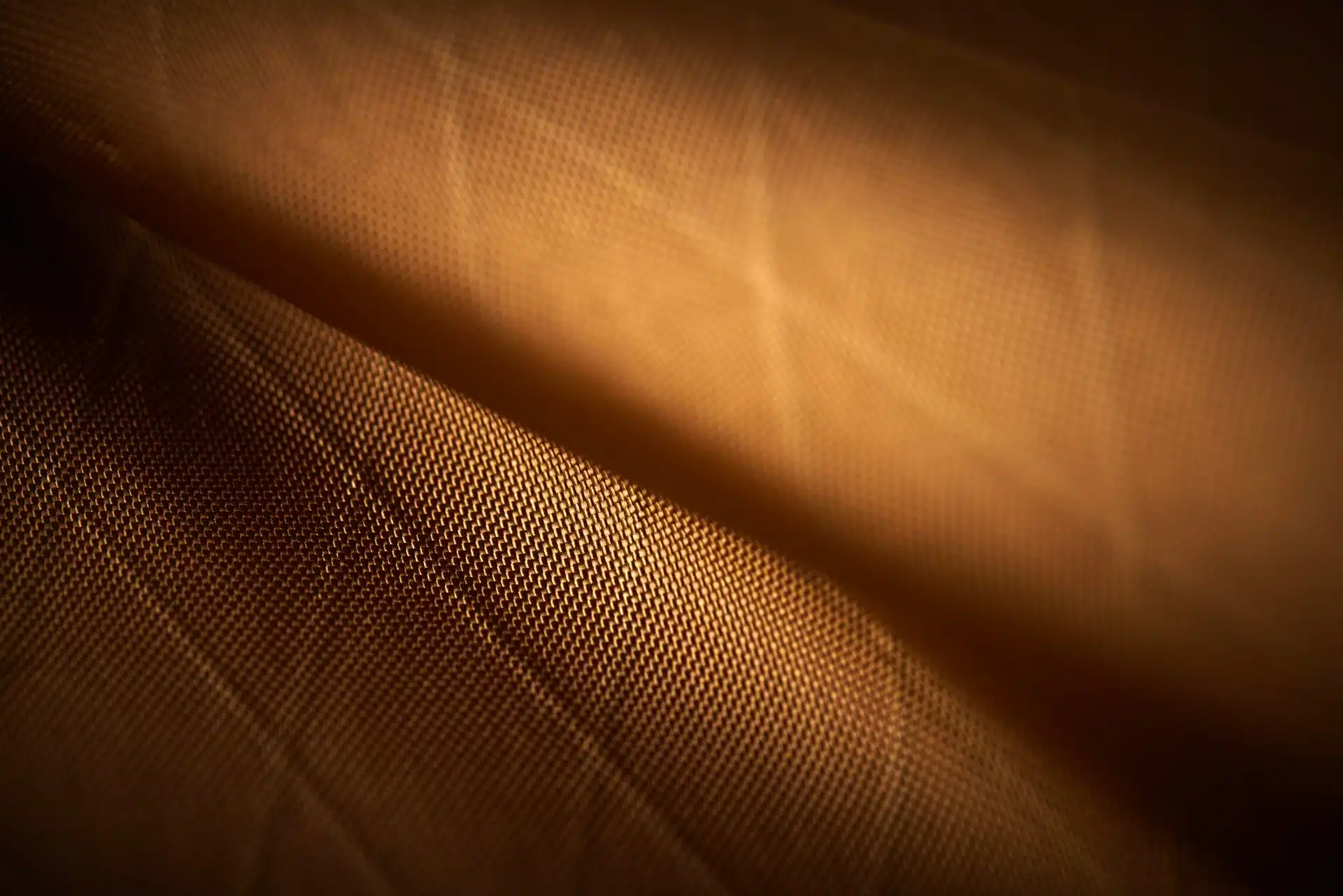
Practical consequence: X-Pac is truly waterproof at the fabric level (though the bag’s overall water resistance still depends on seams and zippers—which is why Blackpack uses YKK Aquaguard on these models). The X-Ply reinforcing mesh also limits fabric stretch, so X-Pac bags keep a crisp shape for years and don’t “sag,” even when carried half-empty.
What is UltraGrid and Why It’s the Lightest of the Three Fabrics
UltraGrid is also a laminate, but built differently: a 210D nylon base (often recycled from industrial waste) is combined with a reinforcing grid of UHMWPE fiber—the same ultra-strong polyethylene known under brands like Dyneema or Spectra, which is stronger than steel at the same weight. Underneath is a waterproof PU membrane with a DWR coating.
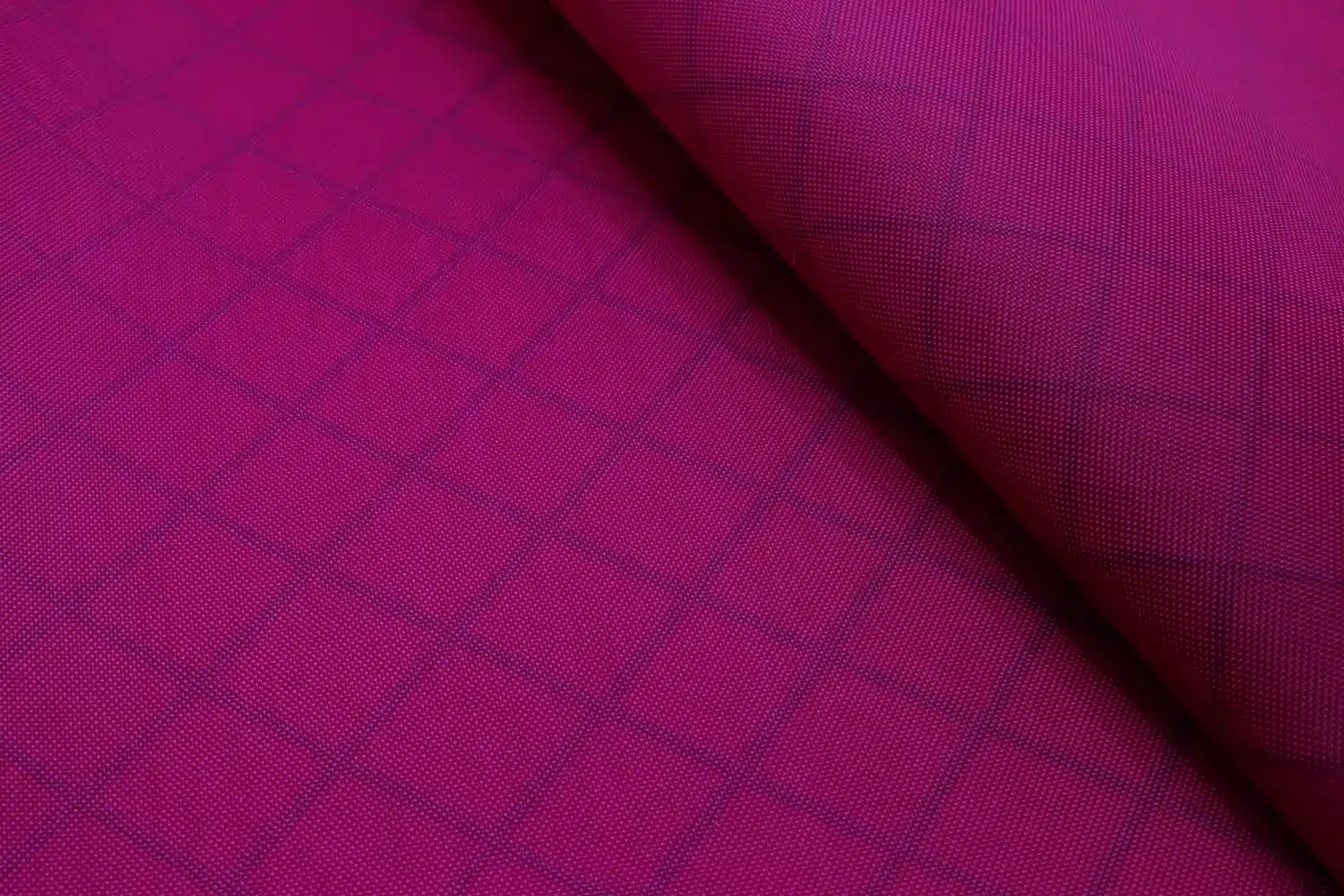
The main difference from X-Pac is weight: the base version of UltraGrid weighs about 130 g/m², which is noticeably lighter than X-Pac VX21 (~210 g/m²). Thanks to the double reinforcing grid, the fabric doesn’t lose much in tear strength, but it’s softer and more flexible than X-Pac—so an UltraGrid bag adapts to its contents rather than holding one fixed shape.
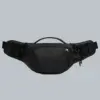
This is evident even in a single Blackpack model: the City 3 is available in both versions with the same dimensions (29 × 16.5 × 12 cm), the same capacity (2.8 L), and the same price (4,455₴), but the X-Pac version weighs 300g and holds a crisp shape, while the UltraGrid version weighs 285g and, as Blackpack describes it, “fits snugly against the body and changes shape depending on the load.”
Three Fabrics: A Direct Comparison
| Criterion | Cordura® | X-Pac® | UltraGrid™ |
|---|---|---|---|
| Construction | Tight weave of nylon threads | Laminate: fabric + X-Ply mesh + PET film + backing | Laminate: nylon + UHMWPE grid (Dyneema-type) + PU membrane |
| Durability (Abrasion) | Very high—the main strength | Good, but not the primary focus | High tear strength thanks to double grid, with a lighter construction |
| Water Resistance | Water-repellent, not waterproof | Waterproof at the fabric level | Waterproof PU membrane + DWR coating |
| Shape and Stiffness | Softer, more flexible | Holds a crisp shape, almost no sagging | Softer than X-Pac®, adapts to contents |
| Typical Weight | Depends on denier (500D lighter, 1000D heavier) | ~210 g/m² in base version (VX21) | ~130 g/m²—the lightest of the three |
| Best Use Case | Friction points: bottom, corners, strap contact area | Main body in rainy conditions, urban moisture, when shape matters | Where weight is more critical than shape stiffness |
What Blackpack Chooses and in Which Models
Blackpack doesn’t stick to one fabric “by default”—the material is selected based on how the bag will be carried:
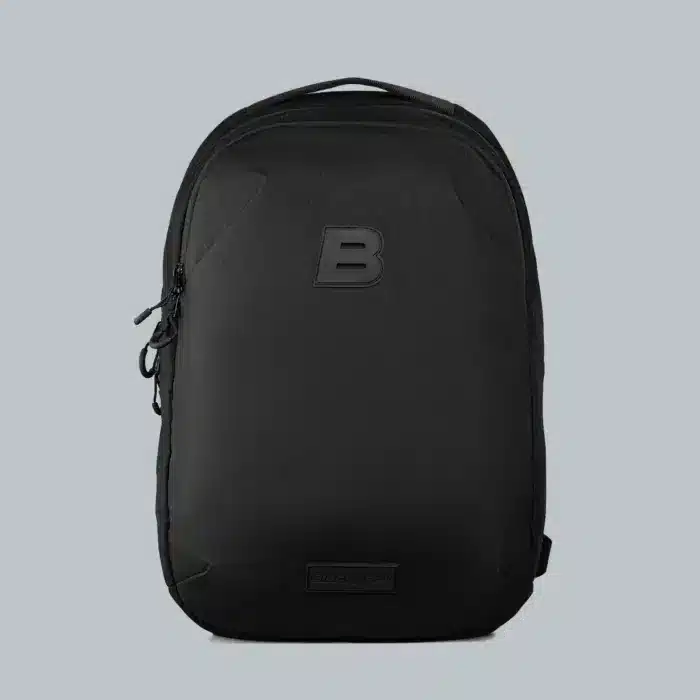
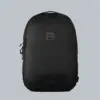
- Bravery 2 — combines Cordura and X-Pac in one backpack: X-Pac where shape and moisture protection are key (main panels), Cordura in high-friction zones.
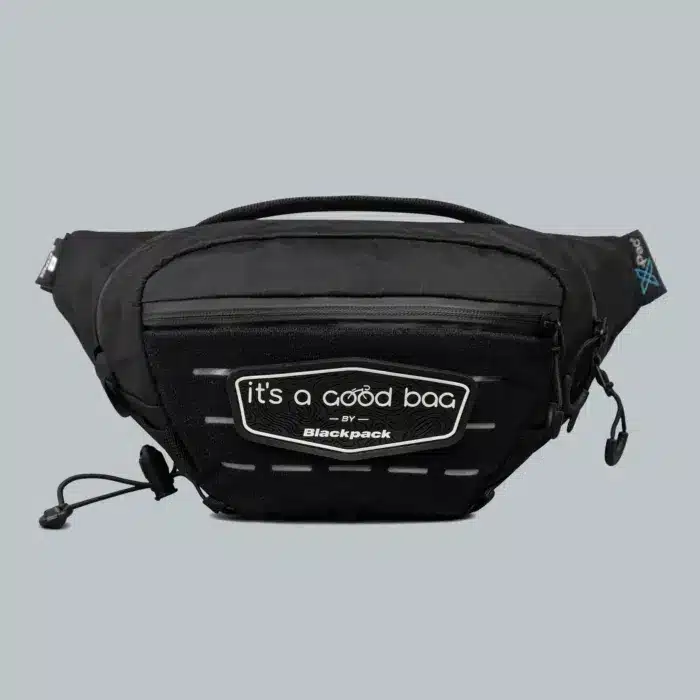
- EDC Bag — made from X-Pac because it’s a daily urban carry bag for any weather, where it’s important that the shape doesn’t collapse.
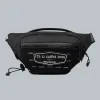
- Street Pouch 1.5 — Cordura Honeycomb, because it’s a compact organizer that constantly rubs against other contents in a backpack or pocket, and abrasion resistance is more important here than waterproofing.
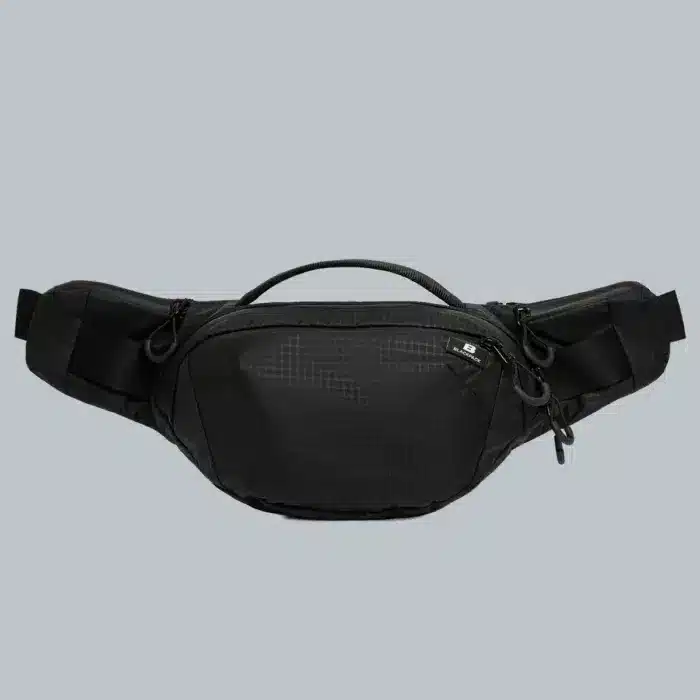
- City 3 — the only model Blackpack releases in two fabrics simultaneously (X-Pac® and UltraGrid™) at the same price, letting the buyer decide: crisp shape or minimal weight. The same applies to the Urban Bag 1.5 / Urban Bag 1.5 UltraGrid pair.
In other words, material choice isn’t marketing; it’s a specific engineering decision for a specific model and use case.


Add comment