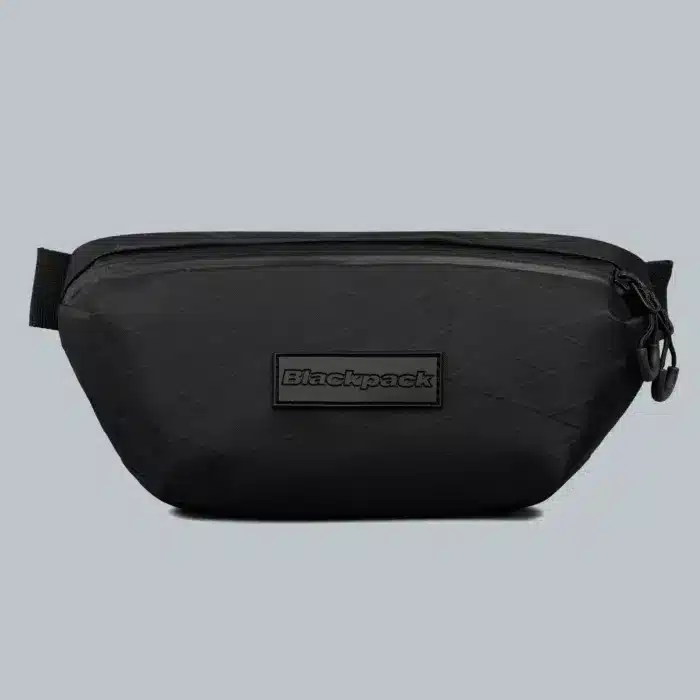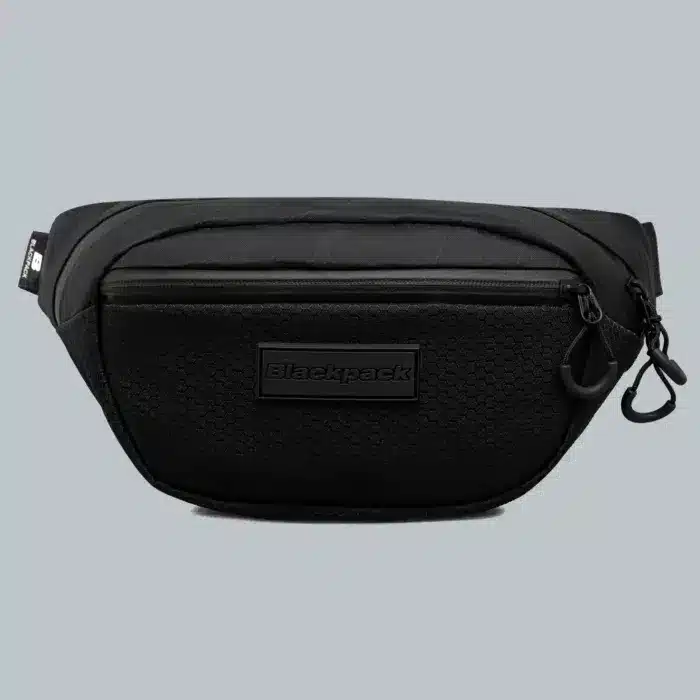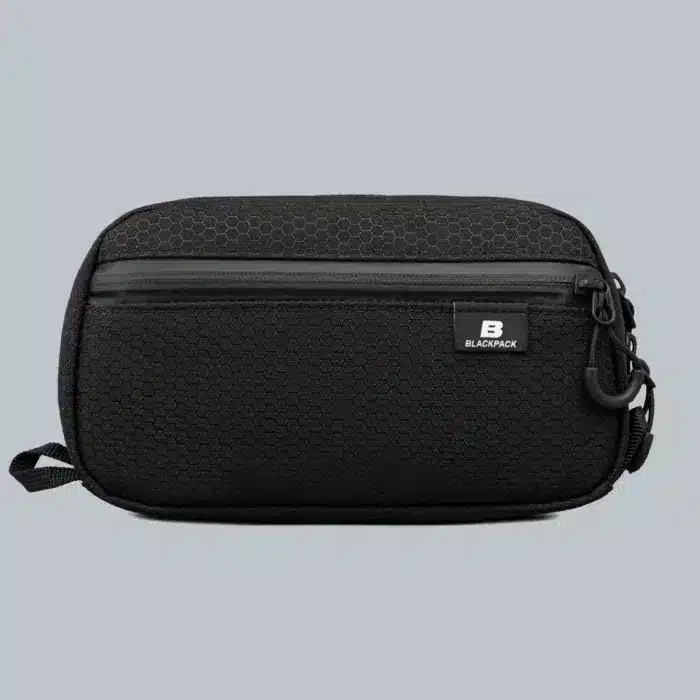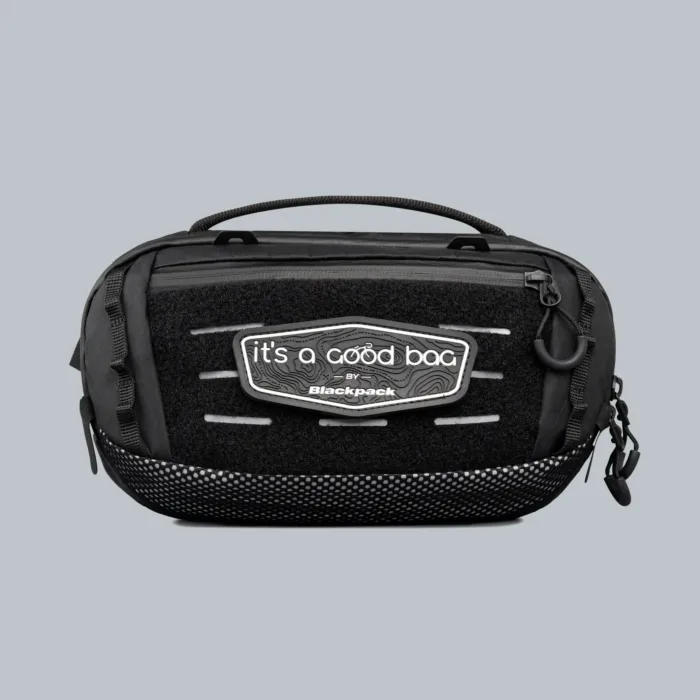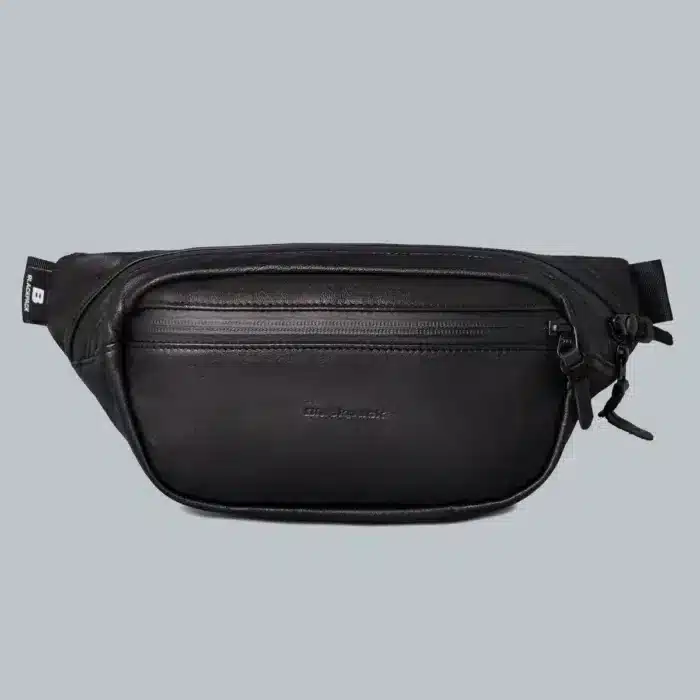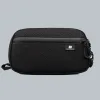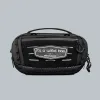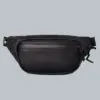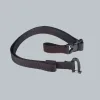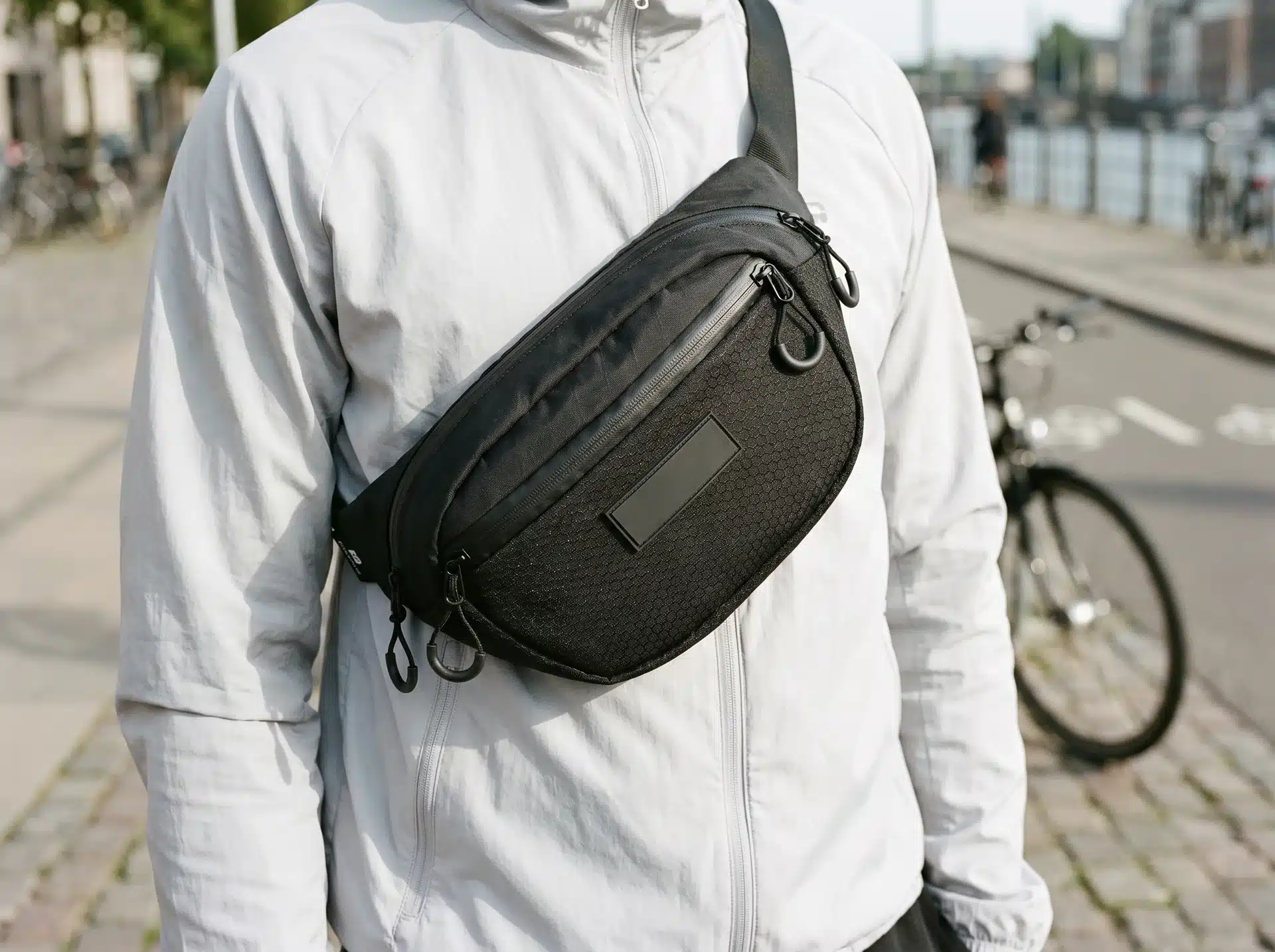
A fanny pack is a compact bag on an adjustable strap, worn on the waist, crossbody, or on the chest. To choose the right one, just answer three questions: how you’ll wear it, what you’ll keep in it, and whether you’ll be active while wearing it — running, cycling. These answers determine the volume, shape, and type of strap.
Fanny packs used to be worn only on the waist; today they’re more often worn crossbody or on the chest. We’ve been making waist bags since 2017, and below we explain how to choose a model and wear it correctly.
In short: how to choose a fanny pack
- Minimal items, lightweight — 1.5–2 L: phone, wallet, keys.
- Versatile for everyday use — 2.5–3 L: adds a power bank, sunglasses, earbuds in a case.
- Travel or cycling — 3.5–4 L: documents, a small tool kit, a snack.
- For running and cycling — a third attachment point is a must, so the bag doesn’t bounce around.
- Strap — choose one with extra length: a bag worn crossbody over a jacket needs more room than one worn on the waist.
Three ways to wear a fanny pack
On the waist
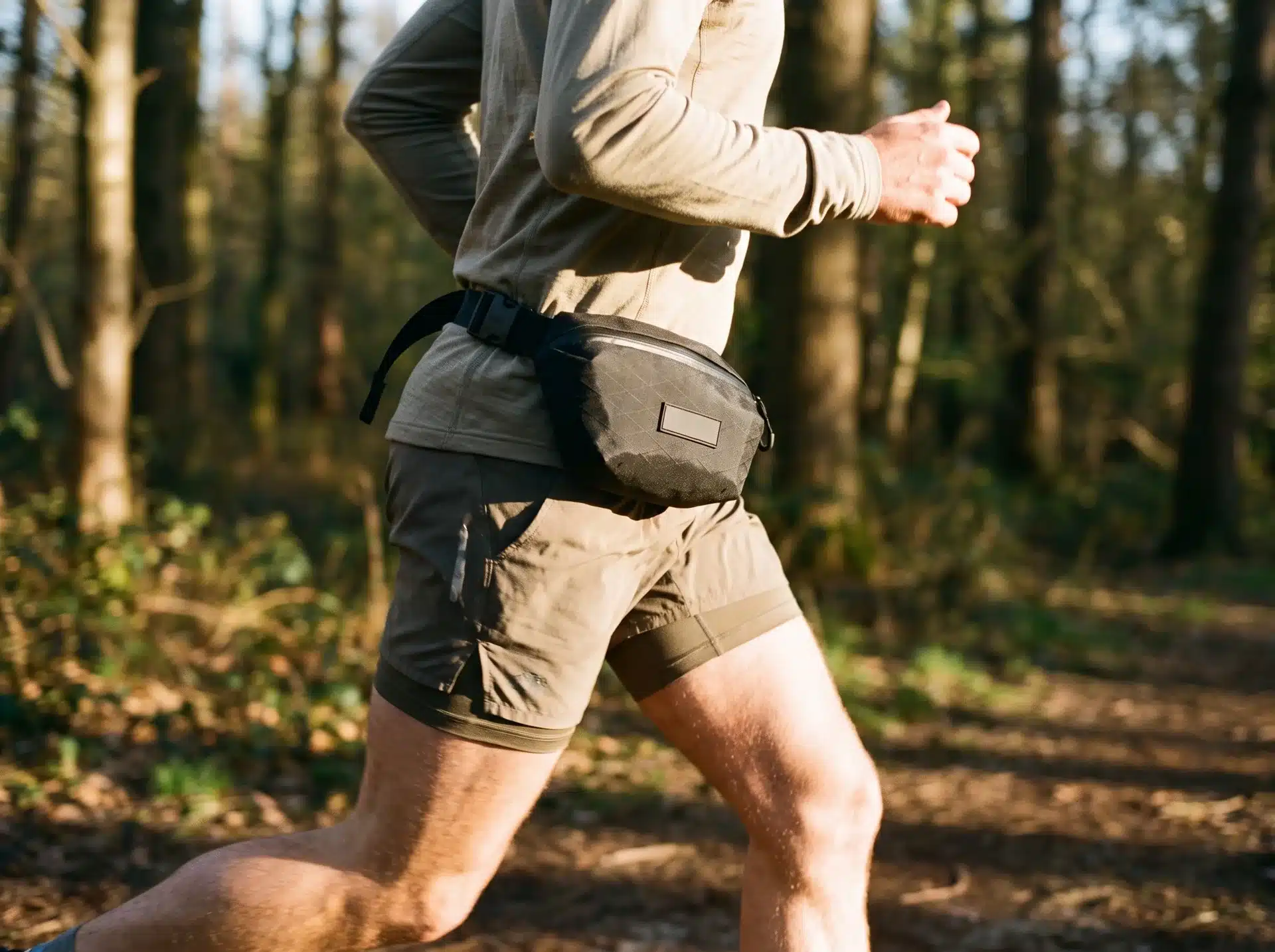
The classic option: the bag sits in front or slightly to the side. Great for walks, hikes, and running — the center of gravity stays low, and the bag doesn’t pull on your shoulders. It’s best to position the strap buckle to the side so it doesn’t press on your stomach, and tighten the strap so the bag doesn’t slide below your hips.
Crossbody
The most popular city style. The strap runs diagonally across the chest, with the bag sitting on the back or side. This makes it easy to swing it forward when you need to grab your phone or wallet. For a comparison with other shoulder bags, see our article “Shoulder Bag, Crossbody, or Sling”.
On the chest
The bag sits high on the chest, with the strap running across the back. This way, your things are always in view, and it’s hard to open the bag unnoticed in a crowd. This style calls for a shorter strap and a flat bag so it doesn’t press against your chin. Check out our separate selection of chest bags.
| On the waist | Crossbody | On the chest | |
|---|---|---|---|
| Where the bag sits | In front or to the side on the waist | On the back or side | High on the chest |
| Access | Instant | Needs to be swung forward | Instant |
| Best for | Running, hiking, cycling | City use, everyday wear | Transit, crowds, travel |
| What matters | A third attachment point when active | Sufficient strap length | Flat shape, shorter strap |
What volume to choose
Volume is the key parameter for a fanny pack. Too small, and it won’t fit a power bank; too large, and it’ll feel bulky on the waist. Base your choice on your daily essentials:
| Model | Volume | Size | Weight | Fabric |
|---|---|---|---|---|
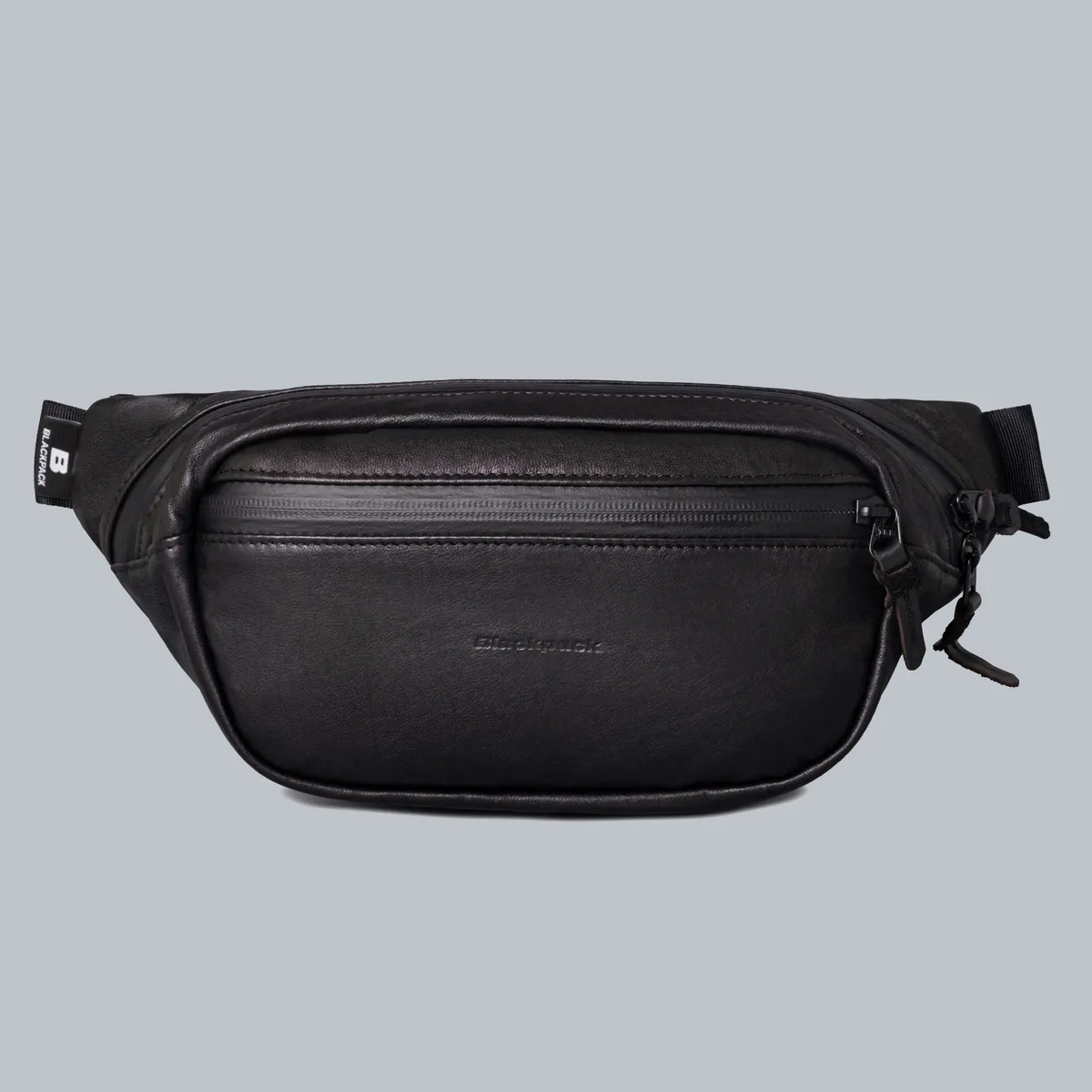
| Urban Bag 1.5 Leather | 1.5 L | 33×15×9 cm | 220 g | Bruschetta Leather |
| Every Day Pouch (EDP) | 1.6 L | 22×12×6 cm | 195 g | Cordura |
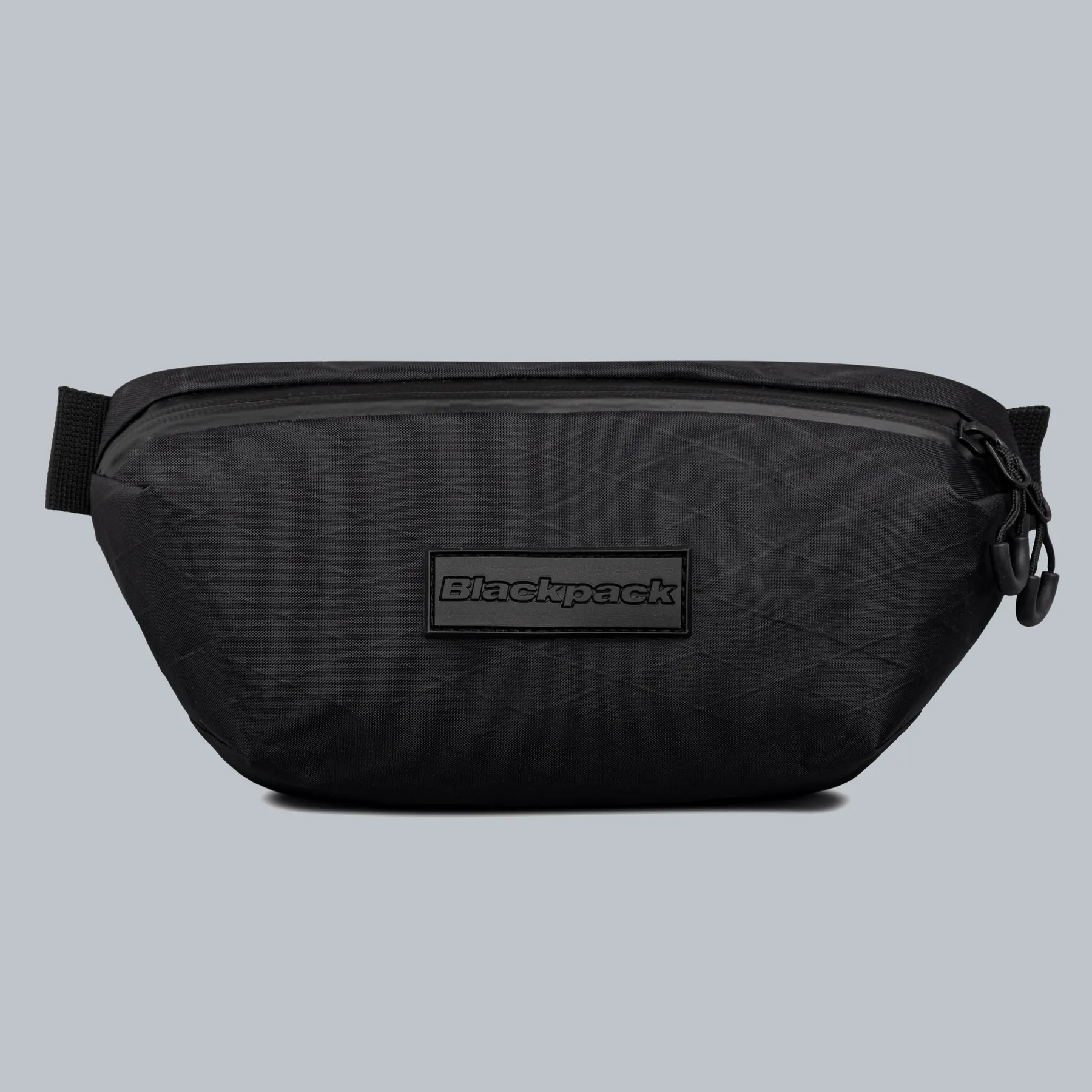
| VanBax 2 | 2 L | 27×14×8 cm | 116 g | X-Pac |
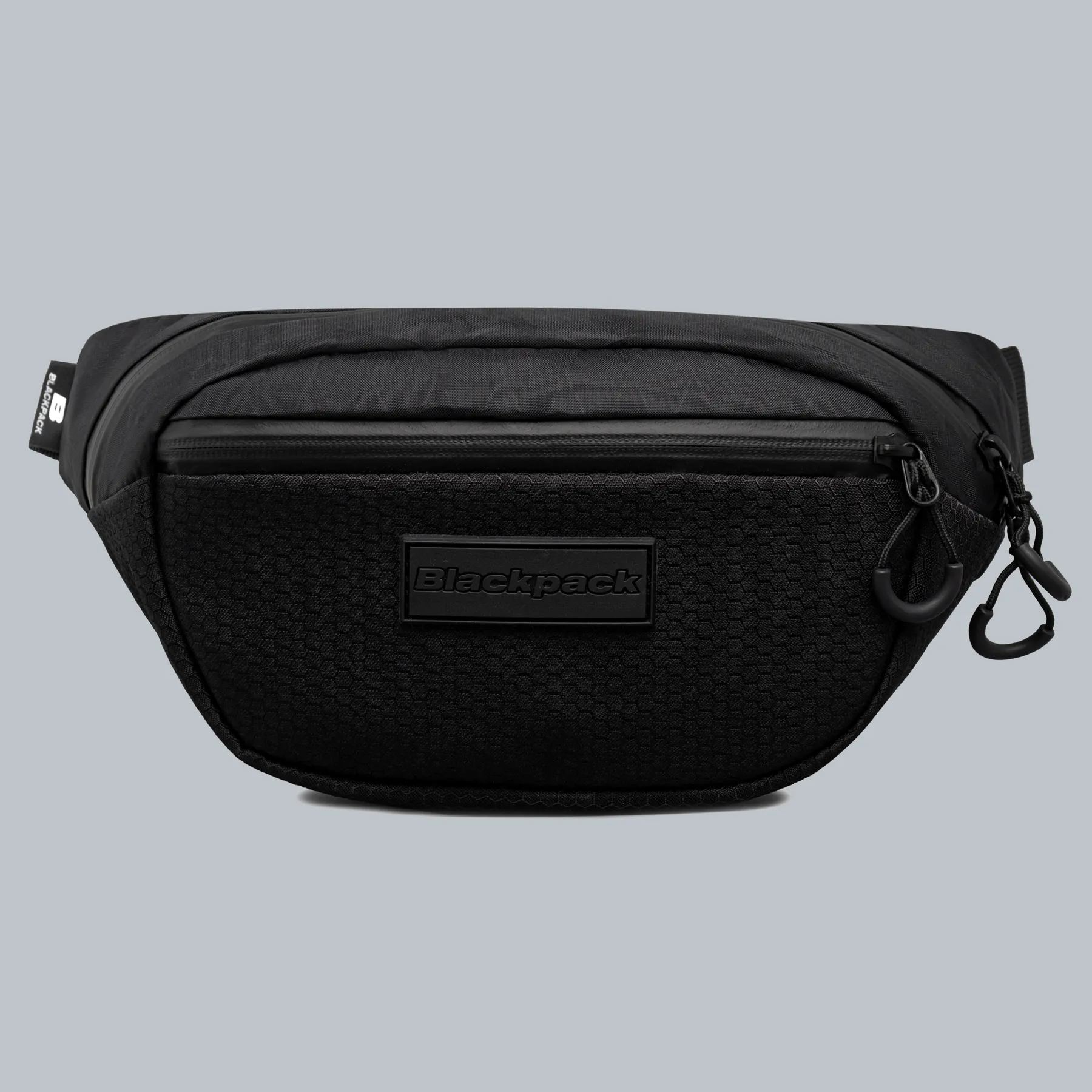
| Urban Bag 1.5 | 2.7 L | 33×15×9 cm | 275 g | Cordura / X-Pac |
| IGB Sport XL 2 | 3.5L | 28×17×12 cm | 230 g | X-Pac |
| EDC Bag XL | 4 L | 37×16×12 cm | 290 g | X-Pac |
The lightest in the lineup is the VanBax 2: 116 g with a 2 L volume, you barely notice it while running. The most versatile is the Urban Bag 1.5 at 2.7 L: equally comfortable on the waist, crossbody, or on the chest. If you often ride a bike, check out the IGB Sport XL 2 — it attaches to both your waist and your handlebars. We wrote about bike bags in a separate guide.
How to choose a strap
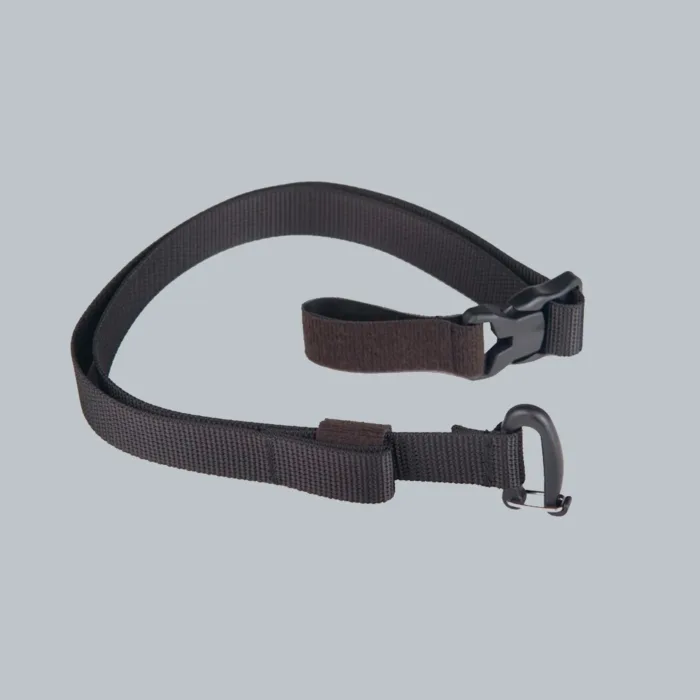
At Blackpack, bags are sold separately from the strap — so you don’t pay extra for a strap that doesn’t fit, and one quality strap can be swapped between bags. All our fanny packs have a 40 mm attachment, so they work with the following straps:
- Two-sided strap — center fastex buckle, adjustable on both sides, the widest range: from 25 to 125 cm. Fits any body type.
- One-sided strap — fastex buckle on one side, doesn’t press into your back when driving. Available in sizes M (55–90 cm) and L (80–140 cm).
- Third attachment point — an extra strap across the back. Eliminates bouncing while running or cycling.
- Fidlock magnetic buckle — closes with one touch, handy if you take the bag off often.
Important: the strap length listed doesn’t include the bag itself, which adds another 25–35 cm to the circumference. If you’ll wear the fanny pack on your chest over a winter coat, choose size L. For more details, see our guide on how to choose a bag strap.
How to wear a fanny pack comfortably
- Tighten the strap. The fanny pack should sit snugly against your body, not hang loose: this keeps it from bouncing against your hip or swinging around.
- Zipper facing away from you. On the chest and waist, the zipper should face up or forward — this makes it easy to open with one hand.
- Heavy items toward your back. Keep your power bank and keys in the compartment closest to your body.
- When active — use a third attachment point. For running and cycling, it keeps the bag from shifting.
- Don’t overload it. A fanny pack is meant for your daily essentials. If you have more to carry, a larger crossbody bag is a better choice.

Fanny packs for men and women
A fanny pack is a unisex item: the same models are worn by both men and women, with the only difference being strap size and how it’s worn. So instead of choosing by a “men’s” or “women’s” label, choose based on the volume you need, how you’ll wear it, and the color. If you’re looking for a men’s model with character, check out our selection of men’s bags, and for a classic look, there’s the Urban Bag 1.5 Leather in leather.
Frequently Asked Questions
There are three ways: on the waist (bag in front or to the side), crossbody at an angle, and on the chest. On the waist is comfortable while active, crossbody works well in the city, and on the chest is great for public transit and crowds. In all cases, tighten the strap so the bag sits snugly against your body.
1.5–2 L is enough for a phone, wallet, and keys. If you also carry a power bank, earbuds, and sunglasses, choose 2.5–3 L. For travel and cycling, 3.5–4 L works best.
Measure the circumference where you’ll wear the bag (waist, or chest for crossbody) and subtract 25–35 cm — that’s how much the bag itself adds. If you wear the bag over winter clothing, choose a strap with extra length or a two-sided one with a 25–125 cm range.
Yes, as long as the bag is lightweight and tightly secured. For running, it’s best to choose a model under 2 L and add a third attachment point — it keeps the bag fixed on your back and prevents bouncing.
A fanny pack can be worn on the waist, crossbody, or on the chest, while a chest bag is designed mainly for the chest and is usually flatter. Many modern models, like the Urban Bag 1.5, combine both options.
Yes, it’s more convenient than pockets for documents, your phone, and money — everything stays right in front of you. For travel, choose a volume of 3 L or more and wear the bag on your chest in transit and at the airport.
Conclusion
Start by deciding how you’ll wear the bag: on the waist while active, crossbody in the city, or on the chest while traveling. Then choose a volume that fits your daily essentials and a strap with enough length to spare. If you’re not sure, the Urban Bag 1.5 works for all three styles. You’ll find all our models in the Fanny Packs and Waist Bags section.